Wednesday, October 20, 2010

My Cancer and Preventive Health Rant

So, we all know that cancer and other diseases that kill us are terrible. When a family member/close friend/etc. dies to one of these, we are hurt and we blame the disease that killed them. Some of us go the extra mile and start advocating fundraisers to help beat these cancers/diseases. We get really passionate about it and dedicate months to different cancers and so on and so forth. We donate millions of dollars to find the cure for cancer, yet don’t spend a penny to find out how we can naturally prevent cancer. Yes, it is possible. We are all born with cancer cells. It’s just a matter of what in our lifestyle will make them go out of control, producing tumours and then killing us. And believe it or not, one of the things that can cause cancer is the same thing that can heal it. That thing is food. It’s the way that our food is made that is killing us though. But I’ll get to that in a little bit. Also, even if we found the cure, the treatment for cancer is usually unaffordable and our insurance companies fail us after we spend so much of our money so that they can help us when we need them the most. How many stories have you read of people struggling to buy their medicine for whichever disease they have and then have to use all their life savings just to stay alive? And because we live in a society where money and power rule, how much longer will you live after you lose everything you own? You know, stress kills, too.

We seem to have our priorities all backwards. Instead of caring for our health before we get sick, we care for it after we get sick. We eat the crap that is sold to us and accept it as food even though we are told how bad it is for us. “It’s just how it is these days. We can’t change anything.” How sad is it that we basically are accepting slow, painful deaths, which are occurring at a much younger age? (And I’m talking about the age of your body, not the age based on your birth certificate.) Does this mean that when a close relative dies, we’re supposed to say, well it was just bound to happen because that’s just how it is these days? Have we really stooped so low? There are strengths in numbers and yet, the number of people who actually care seem to be diminishing into nothing. I know that we all have to die at some point in time – it’s the cycle of life – but I also believe that poisoning ourselves early on and in turn, shortening our life spans should not be something that we just accept. It’s the “we can’t do anything about it” mentality that has gotten us to this point. There have been countless studies saying that today’s generation will be the first to have a shorter life span than its parents because of all the crap in our environment. “Hey parents, get ready to bury your children!” is the message we are being given, basically. But it can’t happen to us, right? We always think that until it does happen to us. And why take action after a tragedy like that? Why not do something about it before it gets to that point?

Studies are showing how the hormones in our milk are linked to cancer, how ingesting artificial food colours is linked to ADHD, how our food that is full of MSG’s, trans fats, high-fructose corn syrup is linked to obesity, heart disease, high blood pressure, diabetes, and cancer. All the plastics (it’s not edible but we put our food/water /drinks in it) that surround us are screwing up the development of our children, among many other things. Then there’s obesogens (the three primary sources are found in plastics, pesticides, and cosmetics) and carcinogens, which are slowly getting more media attention. But you knew all of this, right? Because if we all did, why aren’t we pressuring our government to make sure that the food that is sold to us isn’t going to kill us? Where are the millions of dollars spent to make sure that the food is being made in the best and healthiest way possible? Why aren’t we spreading awareness about this the same way we spread awareness about every cancer and disease imaginable? The information is out there if you look for it, but not in the same numbers as there is information about donating money to this and that cancer/disease. And don’t even get me started about where that money is actually going because we will never really know, will we? To say there isn’t enough money for preventive health would also be a lie as we seem to have it for everything else! If we are willing to spend millions towards research for cancer, why aren’t we willing to spend the same amount to force manufacturers to practice healthier production of our food? Why aren’t we creating events and fundraisers to educate others about preventive health and the truth about how our food is made? All these events have us thinking that we’re fighting cancer and diseases, yet we don’t do anything about PREVENTING them! If you don’t want your child to fall off the bike and hurt himself, you teach him how to ride it so that you can prevent him from falling, right? Well, why aren’t we being taught how to prevent cancer? Why isn’t that information as readily available as anything else?

It all comes down to money and power. Hence why I don’t think the government will ever do much to help us. There are too many crooks involved, not to mention that they have a plan for depopulation (but that’s a whole different argument altogether). Hospitals are businesses, surprise, surprise! Doctors get paid to give you that heart transplant after a heart attack, not to tell you how to prevent getting one. Also, instead of telling you how to prevent any type of sickness through natural methods/home remedies, they will quickly give you a prescription. Pharmacies exist to sell you overpriced drugs that don’t even get to the bottom of your problem. They’re unnatural and they make you think that your pain is gone but it’s just putting a Band-Aid on top of the problem. It’s not curing anything. I mean, come on, if it actually did, you wouldn’t have to spend the rest of your life taking them! Here’s the answer to not spending the rest of your life taking meds . . . eat healthy and exercise! Time and time again, obese people who lose lots of weight also get off many of their medications, if not all. Your body is no longer suffering.

And another thing . . . Do you ever wonder how it is possible that we constantly have recalls on food, toys and other products that we use every day and that are key to our survival? We live in a tech-savvy world full of new inventions that are just out there and we can’t get something as simple as food made a healthy way or a toy that is safe for our children? I mean, really? Or are those awesome new gadgets created to distract us from the truth around us? The fact of the matter is that these aren’t all accidents. I know that people aren’t perfect and we’re going to make mistakes but it is unacceptable at the rate that we’re going. All the companies care about is how to make the most for the cheapest and then sell it for five times what it is actually worth. We are paying to kill ourselves, imagine that! If we can’t trust the food that we are sold or the items that we are sold, then what do we have left?

I agree that organic food can get expensive, but shouldn’t your health be your first priority over anything else? And what good is that extra money after you’re diagnosed with heart disease/cancer and then all your savings are being spent on medicine or even worse, you die and don’t even have time to use that money? We have put such a disgusting amount of importance towards money when health should be our first and foremost priority. Once again, what good will all that money be if you’re not even alive to spend it?

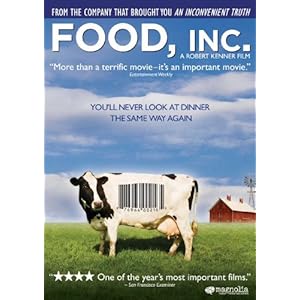
We have power in this, even if many may not think that we do. If we stopped buying this crap they’re trying to feed us, manufacturers will have to change their ways. If there’s no demand for it, they can’t sell it! If we demand to know exactly what is in our food, they’ll have to change what they put in it. (McDonald’s now has to provide nutrition facts on their food. There has also been pressure for restaurants to provide nutrition facts for their meals as well.) If we ask for safer methods of making our food, they will create them, because without us and our money, they have nothing. If we don’t accept the crap that is being fed to us, things will change! Sadly, because the majority accepts whatever they’re given, the progress we could be making is a lot slower as a result. We have power and there have been countless examples of groups of people who have changed how manufacturers make their products. It is why the organic section in your grocery store is slowly continuing to grow. If you need more proof of how people have changed the way our food is made, just watch Food, Inc. I know it’s not as popular as all the reality shows and other distractions out there, but it’s out there. Some people do care enough to make a change. I just wish more people would care about this issue.

And if you still need more convincing, just think about how tobacco industries and smoking was viewed 20-30 years ago and how it is viewed today. We can make a change, but it takes a lot of effort. The only reason these changes sound so hard to accomplish is because we are being raised in a society that is making us lazy, making us accept things for what they are, making us think that we’re powerless and can’t do anything about it. If there’s nothing else you take away from this message, at least give all these questions a second thought. Start thinking for yourself and start thinking about what surrounds you and what you are being sold. Knowledge is power and we can do wonderful things together if we just unite with one goal in mind: to create a better and healthier future for ourselves by not accepting the crap that is being fed/sold to us.

So why do I even bother ranting about this to what seems like deaf ears? Because I care and I want others to care. I think more people would care if the education/platform was available to them about these issues. I think others would change if they could afford to buy healthy food. (Gardening is hard work but it’s cheap and well worth it in the end!) But I also think that we spend way too much time making excuses for ourselves when there are none. You either care about your health and life or you don’t. It’s as simple as that. It breaks my heart that so many people just accept this unhealthy path or start caring after they’ve already done so much damage to their internal organs. I’m going to leave this off with Gandhi’s famous quote, "be the change that you wish to see in the world." I’m hoping that my passion about this can at least get some people thinking and maybe even looking further into this issue.

If you are curious to learn more, some good resources include:
Book: “Organic Manifesto” by Maria Rodale
Documentaries: Food, Inc and Processed People (trailers available below).
TV and website: Dr. Oz, www.doctoroz.com.
Website: WebMD, www.webmd.com.
And many, many more . . . you just gotta find ‘em!

Trailers for documentaries (due to my blog's width size, the videos are cut off on the side so please open them in YouTube for a better view!):



Thursday, September 2, 2010

PROCESSED PEOPLE & FOOD, INC.


Go to http://www.processedpeople.com/ and find a way to watch this documentary.
It just might save your life!
Wake up, everyone!

If you want to learn more, another good documentary (that I personally own) is Food, Inc. Go to http://www.foodincmovie.com/ for more information.


If you know of more good documentaries that deal with the food industry/obesity epidemic, please share!
Remember, knowledge is power!

Tuesday, March 30, 2010

Exercise Isn't Just For The Unhealthy

It seems to me as if people are getting the wrong perception of exercise and who needs to be doing it. The answer is everyone! Healthy or unhealthy, fit or unfit, we all need it in our lives - now more than ever. Our ancestors had much more active lives as most of them didn't sit behind a desk all day or watch a machine do the work for them. They also didn't eat the junk, which some of us call food, that we eat today. With people moving a lot less throughout the day because of our jobs, it is vital for us and our health to keep moving when we can. Exercise provides many benefits for all and here's seven benefits, according to the Mayo Clinic:

1. Exercise improves your mood.

Need to blow off some steam after a stressful day? A workout at the gym or a brisk 30-minute walk can help you calm down.

Physical activity stimulates various brain chemicals that may leave you feeling happier and more relaxed than you were before you worked out. You'll also look better and feel better when you exercise regularly, which can boost your confidence and improve your self-esteem. Regular physical activity can even help prevent depression.

2. Exercise combats chronic diseases.

Worried about heart disease? Hoping to prevent osteoporosis? Physical activity might be the ticket.

Regular physical activity can help you prevent — or manage — high blood pressure. Your cholesterol will benefit, too. Regular physical activity boosts high-density lipoprotein (HDL), or "good," cholesterol while decreasing triglycerides. This one-two punch keeps your blood flowing smoothly by lowering the buildup of plaques in your arteries.

And there's more. Regular physical activity can help you prevent type 2 diabetes, osteoporosis and certain types of cancer.

3. Exercise helps you manage your weight.

Want to drop those excess pounds? Trade some couch time for walking or other physical activities.

This one's a no-brainer. When you engage in physical activity, you burn calories. The more intense the activity, the more calories you burn — and the easier it is to keep your weight under control. You don't even need to set aside major chunks of time for working out. Take the stairs instead of the elevator. Walk during your lunch break. Do jumping jacks during commercials. Better yet, turn off the TV and take a brisk walk. Dedicated workouts are great, but physical activity you accumulate throughout the day helps you burn calories, too.

4. Exercise boosts your energy level.

Winded by grocery shopping or household chores? Don't throw in the towel. Regular physical activity can leave you breathing easier.

Physical activity delivers oxygen and nutrients to your tissues. In fact, regular physical activity helps your entire cardiovascular system — the circulation of blood through your heart and blood vessels — work more efficiently. Big deal? You bet! When your heart and lungs work more efficiently, you'll have more energy to do the things you enjoy.

5. Exercise promotes better sleep.

Struggling to fall asleep? Or stay asleep? It might help to boost your physical activity during the day.

A good night's sleep can improve your concentration, productivity and mood. And you guessed it — physical activity is sometimes the key to better sleep. Regular physical activity can help you fall asleep faster and deepen your sleep. There's a caveat, however. If you exercise too close to bedtime, you may be too energized to fall asleep. If you're having trouble sleeping, you might want to exercise earlier in the day.

6. Exercise can put the spark back into your sex life.

Are you too tired to have sex? Or feeling too out of shape to enjoy physical intimacy? Physical activity to the rescue.

Regular physical activity can leave you feeling energized and looking better, which may have a positive effect on your sex life. But there's more to it than that. Regular physical activity can lead to enhanced arousal for women, and men who exercise regularly are less likely to have problems with erectile dysfunction than are men who don't exercise — especially as they get older.

7. Exercise can be — gasp — fun!

Wondering what to do on a Saturday afternoon? Looking for an activity that suits the entire family? Get physical!

Physical activity doesn't have to be drudgery. Take a ballroom dancing class. Check out a local climbing wall or hiking trail. Push your kids on the swings or climb with them on the jungle gym. Plan a neighborhood kickball or touch football game. Find a physical activity you enjoy, and go for it. If you get bored, try something new. If you're moving, it counts!

- - -

If the reasons above aren't enough, go here for more benefits of exercise.

Although it may be hard to get motivated to start any activity, (I know, I know, sitting in front of the TV is so much easier!) once you find something you enjoy, it becomes addictive and a part of your regular daily routine. Enough excuses already, get moving!

Thursday, November 19, 2009

The Many Benefits of Breastfeeding


I'm a strong supporter of breastfeeding and I don't see why any woman would choose NOT to breastfeed. At the same time, I do understand that there might be a lot of pain involved and that some are just incapable of doing it. I myself might run into problems with it when the time comes but that's another matter. I still fully support it. Not only does it benefit the baby in so many ways but it also benefits the mom! The following article in Women's Health is just one example of the benefits of breastfeeding:

Wonder-Twin Powers
You may have heard that nursing is best for a baby, but new evidence shows that it can offer major benefits for Mom too. Experts had speculated that breastfeeding might provide some protection against breast cancer, but according to a new study published in the Archives of Internal Medicine, its cancer-fighting power may be more potent than anyone previously imagined. Researchers found that among women with a family history of the disease, those who had breastfed were 59 percent less likely to develop breast cancer as those who had not. The reduction in risk was similar whether the women nursed for a lifetime total of just three months or for more than three years and regardless of whether they supplemented their breast milk with other foods.

Thanks to a friend of mine, who is a strong supporter of breastfeeding and a breastfeeding mother to a two year old son (yes, you can breastfeed for as long as you want!), I have found other very informative articles about breastfeeding that I'd like to share with you. The first one is about the many health benefits that mom's get from breasfeeding and you can view it here. The second one is comparing breast milk to formula. It can be found here. Very informative.

Speaking of formula, did you know that infant formula is nearly a four billion dollar industry in the U.S.? Why is this? Most likely because women aren't being educated enough about the benefits of breastfeeding and give up way too soon when it doesn't go smoothly for them right away. We are a lazy nation after all . . . Well, here to help us all is a new documentary called Formula Fed America and you can visit their website for more information. Check out the little clip at the beginning as well. (No, I'm not getting paid to advertise this. I'm simply doing it because I think it's ridiculous that so many people are resorting to formula without any thought.)

At the end of the day, no one can tell a mom what she should do with her infant or how she should feed him/her. But before you make any decision, at least inform yourself of all the options out there. Who knows, you might just learn a thing or two that will benefit you and your family in more ways than you could ever imagine.

Wednesday, November 18, 2009

What Your Skin Colour May Be Telling You

Attractiveness Based Partly on Skin Color
By Jeanna Bryner, Senior Writer

When it comes to an attractive face, color can make all the difference, suggests a new study.

The research focused on facial skin color among Caucasians, finding a light, yellowish complexion looks the healthiest. The skin color could indicate a healthy diet of fruits and vegetables, whose pigments are known to change the skin's hue, researchers suggest.

(The researchers predict the results would hold for other ethnicities as well.)

"Effectively health and attractiveness are pretty much the same thing," study researcher Ian Stephen of the University of Bristol in England told LiveScience. He added that past research as well as some of his forthcoming research shows as much.

Other studies have shown that shape and symmetry of a person's face are also cues of attractiveness.

"Most previous work on faces has focused on the shape of the face or the texture of the skin, but one of the most variable characteristics of the face is skin color," Stephen said.

Stephen and his colleagues asked 54 Caucasian participants to change the skin color of about 50 male and female faces on a computer screen to make them look as healthy as possible. Hands down, the participants tended to increase the rosiness, yellowness and brightness of the skin.

Here's how the researchers think the health-coloring connection works: The preference for more golden or yellow-toned skin could be related to the carotenoid pigments from fruits and veggies. These plant pigments are considered antioxidants, as they protect cells from damage caused by so-called free radicals and are also thought to be important for the immune system.

As for skin color, Stephen notes that if someone were to eat just carrots for a stint, the person's skin color would certainly turn orange-ish. He doesn't recommend such a diet, of course.

And rosy coloring can be the result of skin flushed with blood and oxygen, suggesting a strong heart and lungs, the researchers say. For instance, smokers and diabetics and those with heart disease have fewer blood vessels in their skin, and so their skin would appear less rosy.

If you think you can ditch the rabbit-like meals and just head to a tanning bed, think again. The researchers found lighter skin was better.

"In the West we often think that sun tanning is the best way to improve the color of your skin," Stephen said. "But our research suggests that living a healthy lifestyle with a good diet might actually be better."

Another tip: Eating only fruits and veggies won't work either, so forget about nibbling your way to an attractive face.

"If you're starving yourself then you'll look unhealthy for other reasons," Stephen said. "I wouldn't suggest you eat nothing but salads, because you won't be getting enough calories and [would] lose a lot of weight, and that in itself doesn't look good. If you end up anemic you won't have the red component in your face."

The results would likely hold for other ethnicities as well, Stephen said. For instance, his past research has shown black South Africans tend to judge rosier faces as healthier. And forthcoming research suggests the same may hold for yellowness and lightness of facial skin.

The study, which will be published in the December issue of the International Journal of Primatology, was funded by the UK Biotechnology and Biological Sciences Research Council, the Economic and Social Research Council, and Unilever Research.

---

Tuesday, November 3, 2009

Keep Those Toilet Lids Down!

I found a short article in my favourite magazine, Women's Health, that I wanted to share with everyone. Habits are hard to break, I understand, but once you read how disgusting this really is, you'll change this habit fast!

HARD TO SWALLOW
There are more than 3 million bacteria per square inch inside the average toilet bowl. When you flush, those bad boys get ejected into the air and land on everything in the room, including that innocent bystander otherwise known as your toothbrush. Can you say "ick"? Always close the lid before flushing, and store your toothbrush in a drawer, advises Donna M. Duberg, M.S., assistant professor of clinical laboratory science at St. Louis University.

There's also this article that I found about putting down the toilet seat before flushing which includes a more scientific viewpoint. It's a bit long but very informative!

So, think you can do something as simple as putting the toilet seat down before flushing? Oh and you can also apologize to your "nagging" girlfriend/wife/mother/etc. for always telling you to do so in the first place! Looks like they had a point, after all.

Tuesday, October 6, 2009

Health TV Shows

I rarely watch TV. I like to use my brain for better things, such as reading books/online or listening to music. Living with my sister, who is an avid TV viewer, has changed some things around. Whether it's for the best or not is another case. Reality TV anyone? Although it would be very me to watch The Biggest Loser for reality TV. Heh. As well, House happens to be my favourite show. Can one possibly fit anymore health into their life? Why yes, yes they can. With health TV shows! I have recently become addicted to two of them, which conveniently run one after the other for me . . . I live in Toronto but pick up Buffalo stations. Don't ask me how it works, it just does.

The first show is The Dr. Oz Show. His elf-like ears may be distracting at first but the crazy amount of knowledge this guy has to share with everyone is pretty amazing. He covers all the topics of health that you can imagine. My favourite part is when people ask him questions. There's always a random tidbit of information that you learn from those. As if I need to give my friends anymore random health knowledge . . . This show can be seen on CTV at 5 p.m for the Canadian folks. As for the U.S. viewers, click here to see local listings of the show.

The second show is The Doctors. If not for any other reason, you need to see this show for dreamy Dr. Travis Stork! He makes it hard to pay attention but this is another show full of health information about all sorts of topics under the sun. I've noticed that the format is very similar to Dr. Oz's show. So, who copied who? Not important. They both give very valuable information. Click here for local listings.

Also, make sure to check both of their websites for more information about some of the topics they have covered in the past. If you miss an important episode, you'll be sure to find some of the highlights in video on both of their websites so there's no excuse not to watch it!

Educate yourself and others! =)

Sunday, August 2, 2009

Adding Years To Your Life

12 Surprising Signs You'll Live to 100

By Sandra Gordon, Prevention
What you're doing right, and how to do it better to stay healthy, happy, and strong for years to come

You're the life of the party.

Outgoing people are 50% less likely to develop dementia, according to a recent study of more than 500 men and women age 78 and older from the Karolinska Institutet in Sweden. Participants also described themselves as not easily stressed. Researchers speculate that their more resilient brains may be due to lower levels of cortisol — studies show that oversecretion of this "stress hormone" can inhibit brain cells' communication. Science-backed ways to cut cortisol levels: Meditate, sip black tea, or take a nap.

You run for 40 minutes a day.
Scientists in California found that middle-aged people who did just that — for a total of about 5 hours per week — lived longer and functioned better physically and cognitively as they got older; the researchers tracked runners and nonrunners for 21 years. "What surprised us is that the runners didn't just get less heart disease — they also developed fewer cases of cancer, neurologic diseases, and infections," says study author Eliza Chakravarty, MD, an assistant professor of medicine at Stanford University School of Medicine. "Aerobic exercise keeps the immune system young." If you don't like to run, even 20 minutes a day of any activity that leaves you breathless can boost your health, she says.

You like raspberries in your oatmeal.
Most Americans eat 14 to 17 g of fiber per day; add just 10 g and reduce your risk of dying from heart disease by 17%, according to a Netherlands study. Dietary fiber helps reduce total and LDL ("bad") cholesterol, improve insulin sensitivity, and boost weight loss. One easy fix: Top your oatmeal (½ cup dry has 4 g fiber) with 1 cup of raspberries (8 g) and you get 12 g of fiber in just one meal.

Try some of these other potent fiber-rich foods: ½ cup of 100% bran cereal (8.8 g), ½ cup of cooked lentils (7.8 g), ½ cup of cooked black beans (7.5 g), one medium sweet potato (4.8 g), one small pear (4.3 g).

You feel 13 years younger than you are.
That's what older people in good health said in a recent survey of more than 500 men and women age 70 and older. "Feeling youthful is linked to better health and a longer life," says researcher Jacqui Smith, PhD, professor of psychology at the University of Michigan. "It can improve optimism and motivation to overcome challenges, which helps reduce stress and boost your immune system and ultimately lowers your risk of disease."

You embrace techie trends.
Learn to Twitter or Skype to help keep brain cells young and healthy, says Sherri Snelling, senior director for Evercare (part of United-Healthcare), a group that sponsors an annual poll of US centenarians. Many of the oldest Americans send e-mails, Google lost friends, and even date online. Researchers say using the latest technology helps keep us not only mentally spry but socially engaged: "Stay connected to friends, family, and current events, and you feel vital and relevant," says Snelling.

You started menopause after age 52.
Studies show that naturally experiencing it later can mean an increased life span. One reason: "Women who go through menopause late have a much lower risk of heart disease," says Mary Jane Minkin, MD, clinical professor of obstetrics and gynecology at Yale University School of Medicine.

You make every calorie count.
Researchers in St. Louis reported that men and women who limited their daily calories to 1,400 to 2,000 (about 25% fewer calories than those who followed a typical 2,000-to 3,000-calorie Western diet) were literally young at heart — their hearts functioned like those of people 15 years younger. "It's about not just eating less but getting the most nutrition per calorie," says study author Luigi Fontana, MD, PhD, associate professor of medicine at Washington University School of Medicine. Study subjects stuck to vegetables, whole grains, fat-free milk, and lean meat and nixed white bread, soda, and candy. If you cut empty calories and eat more nutrient-rich foods, your health will improve, says Fontana. To find out how many calories you need to maintain a healthy weight, go to
prevention.com/caloriecalculator.

You had a baby later in life.
If you got pregnant naturally after age 44, you're about 15% less likely to die during any year after age 50 than your friends who had their babies before age 40, reports a recent University of Utah study. "If your ovaries are healthy and you are capable of having children at that age, that's a marker that you have genes operating that will help you live longer," says lead researcher Ken R. Smith, PhD, professor of human development at the university.

Your pulse beats 15 times in 15 seconds.
That equates to 60 beats per minute — or how many times a healthy heart beats at rest. Most people have resting rates between 60 and 100 bpm, though the closer to the lower end of the spectrum, the healthier. A slower pulse means your heart doesn't have to work as hard and could last longer, says Leslie Cho, MD, director of the Women's Cardiovascular Center at the Cleveland Clinic. To get the healthiest heart rate, see "From the Heart Doc".

You don't snore.
Snoring is a major sign of obstructive sleep apnea, a disorder that causes you to stop breathing briefly because throat tissue collapses and blocks your airway. In severe cases, this can happen 60 to 70 times per hour. Sleep apnea can cause high blood pressure, memory problems, weight gain, and depression. An 18-year study found that people without OSA were 3 times more likely to live longer than those with severe apnea. If you snore and have excessive daytime drowsiness or mood changes, talk with your doctor about a referral to a sleep center.

Click here for 14 more signs you'll live longer than you think.

You have a (relatively) flat belly after menopause.
Women who are too round in the middle are 20% more likely to die sooner (even if their body mass index is normal), according to a National Institute on Aging study. At midlife, it takes more effort to keep waists trim because shifting hormones cause most extra weight to settle in the middle. If your waist measures 35 inches or more (for men, 40 inches or more), take these steps:

1. Work two or three 20-minute strength-training sessions into your weekly exercise regimen to preserve lean muscle mass and rev metabolism.

2. Eat a daily serving of omega-3s to help combat inflammation and seven daily servings of fruits and vegetables, loaded with disease-fighting antioxidants.

3. Get 25% of your daily calories from healthy fats — such as monounsaturated fatty acids — which protect your heart and may help you store less fat in your belly (for a 1,600-calorie diet, that's 44 g).

You get your blood tested for vitamin D levels.
For optimal disease protection, we need at least 30 nanograms of vitamin D per milliliter of blood, reports a study in the Archives of Internal Medicine. Nearly 80% of Americans have less than that. Vitamin D not only helps bones ward off osteoporosis but may also reduce your risk of cancer, heart disease, and infection, says lead researcher Adit A. Ginde, MD, MPH, an assistant professor of surgery at the University of Colorado Denver School of Medicine. If needed, you can take a daily supplement to get your numbers up. Doctors can measure your levels with a simple blood test, but periodic monitoring may be necessary — vitamin D turns toxic at 100 to 150 ng/mL.

More Longevity Signs
Discover the "Longevity Zones" — places around the world with the highest rates of 100-year-old-plus residents. Adopt their habits, and you may add years to your life and life to your years.

---

I thought this was really interesting. It applies more to women than men but there are some things in here that both can learn from and continue/start following. Do any of these apply to you?

Friday, June 12, 2009

The Benefits Of Quitting Smoking Occur Faster Than You Think!

The Health Benefits of Giving Up Smoking

It is never too late to give up smoking. The sooner you can free your body from the constant punishment of smoking then the sooner it can recover from years of abuse. The body has amazing recuperative powers. Once you stop smoking, your body will show some immediate improvement as it adjusts to no longer having to accommodate smoking and its effects. The longer you have smoked, the more the body will have to overcome to return to a more natural, healthier state.

To give you a better idea of how your system gradually recovers from smoking, the American Cancer Society has outlined these changes in a timeline. While the timeline may be different for different people, just as some people are naturally healthier to begin with, the fact remains that your body will be better off once you quit smoking.

Only 20 minutes after your very last cigarette your body will begin to return to normal. Both your blood pressure and your pulse rate will have stabilised at a more natural level. As your circulation improves, the temperature in your hands and feet increases to a normal level as the arteries recover.

About 8 hours after you have stopped smoking, the carbon monoxide level in your blood drops as the amount of oxygen carried throughout the body increases. Smoking hinders both brain and muscle functions by reducing the amount of oxygen available to inadequate levels. The levels of carbon monoxide will now be reduced to a level about 50% of what they used to be when you smoked. Another benefit, probably more noticeable to people other than the ex-smoker themselves, is that "smoker's breath" becomes less pronounced.

After 24 hours you begin to see some of the long-term benefits. Not only is your body now functioning more efficiently, the chances of enjoying your improved health are also increased. Not smoking for a day is all it takes to reduce your statistical chances of suffering a heart attack and improve your chances of surviving one. It also takes about 24 hours for the last of the extra carbon monoxide from smoking to be eliminated from your body.

About 48 hours after you have stopped smoking you will probably notice that your senses of taste and smell have become much keener compared to their previously dulled state. Excess mucus and toxic debris that has collected over time will begin to be cleared from the lungs. Although there will initially be an increase in the amount of mucus dislodged from the lungs, breathing will gradually become easier. Amazingly, those nerve endings that were damaged by the smoking habit will begin to regenerate once you quit.

After 72 hours of not smoking, your bronchial tubes become more relaxed and less constricted, making it easier to breathe. The risk of thrombosis is reduced as the blood's clotting agents return to normal.

Some 2 weeks to 3 months into the non-smoking recovery your lung capacity will have increased by up to 30%. In combination with improved circulation, this means that you will find it easier to engage in physical exercise.

In a period from 1 month to 9 months after you have ceased smoking many of the noticeable adverse symptoms of smoking will have improved. You will experience less coughing, wheezing, sinus congestion and shortness of breath. The fatigue associated with these symptoms will decrease as your overall energy levels continue to rise. As the microscopic, hairlike cilia regrow, they increase the lung's ability to purify the air by once again filtering out impurities and clearing mucus. This also reduces the chances of developing an infection, especially in the sinuses.

One year without smoking will mean that the excess risk of coronary heart disease is now approximately half that of a smoker. After 2 years the risk of a heart attack drops to a more normal level.

After 5 years of staying smoke-free the average smoker who smoked one pack of cigarettes a day will have decreased their lung cancer death rate by almost a half. The risk of developing cancer of the mouth, throat or oesophagus will now be half that of a smoker. Abstaining from smoking for between 5 to 15 years will mean that you have reduced your risk of having a stroke to the equivalent of a non-smoker.

Approximately 10 years after you stopped smoking, your lung cancer death rate will now be equivalent to that of a non-smoker. The risk of developing other cancers, such as cancer of the kidneys, pancreas or bladder, is decreased. Healthy cells gradually replace pre-cancerous cells in the body.

After you have refrained from smoking for 15 years, your risk of developing coronary heart disease will be the same as that of a life-long non-smoker.

These are only some of the physical improvements that you will experience when you quit smoking. Obviously, the longer and heavier your smoking habit was, the longer it will take for your body to recover. This does not even touch on the social, psychological, and emotional positives that come for giving up smoking. Quitting smoking at any time in one's life is beneficial. Some people wait until they are ordered to do so by their doctor or surgeon but even the recuperative capacity of the body has its limits. You are much better advised to quit smoking before you develop any serious health problems. Generally speaking, giving up smoking makes your body healthier and increases the chances that you will stay that way.

---

A friend of mine showed me this today and I thought I'd share it with the rest of you. I know that smokers constantly hear/are told about the health benefits of quitting smoking (blah, blah, blah, right?) but this is a new and very interesting way of looking at just how quickly you start reaping the benefits! So what are you waiting for?

Thursday, June 11, 2009

Soda Pop Is Bad For You! (As If You Needed Me To Remind You . . . )

Chugging liters of cola may cause muscle harm

Greek doctors say swilling huge amounts of soda daily is not so uncommon

Reuters

NEW YORK - Drinking several liters of cola-containing soft drinks per day can cause a chronic depletion of potassium in the body, leading to muscle weakness and even paralysis, according to Greek doctors.

While you might think that "excessive soft drink consumption at this level is so rare that it is not a public health issue," writes the author of an accompanying editorial in the International Journal of Clinical Practice, "we have every reason to think that it is not rare."

Dr. Moses Elisaf and associates at the University of Ioannina, Greece identified six reports of cola-induced potassium deficiency published since 1994. Quantities of cola consumed ranged from 2 to 9 liters per day.

Muscle complaints ranged from mild weakness to profound paralysis, and all patients had abnormally low potassium levels in the blood.

"Fortunately," Elisaf and colleagues write, "all patients had a rapid and complete recovery after the discontinuation of cola ingestion and the oral or intravenous supplementation of potassium."

In his editorial, Dr. Clifford D. Packer at the Louis Stokes Cleveland VA Medical Center in Cleveland, Ohio, comments that "there is very little doubt that tens of millions of people in industrialized countries drink at least 2-3 L of cola per day."

Packer stresses that "the soft drink industry needs to promote safe and moderate use of its products for all age groups, reduce serving sizes, and pay heed to the rising call for healthier drinks."

---

Thankfully, I don't have this problem. You'll rarely see me drink soda pop and when I do, there's not much of it. Believe me, when you stop drinking soda pop for some time, it tastes horrible when you start again. It's better to just avoid it all together. And when you run out of toilet/sink cleaner, just remember that your coke will do the job for you. ;) Gross.

It's probably rare to get to that point of drinking so much soda that you become paralyzed because of it but the point is that it isn't healthy (duh!) and there are better options out there (which taste a million times better!). Juice anyone? Chocolate milk? Tea or coffee? Everything in moderation . . .

Friday, May 22, 2009

Tips On Keeping Your Brain Young

7 Surprising Ways to Keep Your Brain Young

By Elizabeth Svoboda, Prevention
Get the cognitive power of some one decades younger. (It doesn't get easier than this!)

Around the time we hit 30, our brains begin a slow, steady downward trajectory — or so popular wisdom would have it. But cognitive decline is by no means an inescapable side effect of aging. In fact, according to a flurry of new reports, you can counteract age-related changes in the brain with a surprisingly simple regimen of activities guaranteed to nurture and fortify your mental musclepower. Here are seven easy ways to keep your brain quick, sharp, and bristling with youthful vigor.

1. Google
When you search the Internet, you engage key centers in your brain that control decision-making and complex reasoning — and these few clicks may be more mentally stimulating than reading, say UCLA scientists. Their studies found that Internet searching uses neural circuitry that's not activated during reading — but only in people with prior Internet experience. MRI results showed almost 3 times more brain activity in regular Internet searchers than in first-timers, suggesting that repeated Googling can be a great way to build cognitive strength over time.

TIP
Spend around 20 minutes a few days a week searching topics you've always wanted to learn more about — regardless of how seemingly frivolous: Whether you're researching a celebrity's latest pratfalls or musical harmony, the benefits to your brain are the same.


2. Exercise
Yes, exercise can stave off or delay dementia — but did you know that regular workouts can actually reverse aging in the brain? A team from the University of Illinois' Beckman Institute recently reviewed dozens of past studies and found that aerobic exercise boosts not only speed and sharpness of thought but also the volume of brain tissue.

TIP
As little as 50 minutes of brisk walking 3 times a week was found to have this brain-expanding effect. For an added boost, walk in the park: University of Michigan researchers found that volunteers whose course took them through a tree-filled setting performed 20% better on memory and attention tests than those who walked downtown.


3. Brush and Floss
Here's yet another reason to practice good dental hygiene: Oral health is clearly linked to cognitive health, according to a team of British psychiatrists and dentists. After studying thousands of subjects ages 20 to 59, they found that gingivitis and periodontal disease were associated with worse cognitive function throughout adult life — not just in later years.

TIP
Follow your dentist's advice — floss daily and brush your teeth for 2 minutes at least once a day.


4. Drink Sparingly
Keep your alcohol consumption within the safe and healthful limit: no more than one drink a day. The more alcohol a person drinks, the smaller his or her total brain volume becomes, according to a recent Wellesley College study. The link between drinking and reduced brain volume was stronger in women — probably because smaller people are more susceptible to alcohol's effects.

TIP
If you like a glass of white wine with dinner, make a spritzer by replacing some of the wine with sparkling water. You'll cut your intake even more.


5. Eat Blueberries
New research shows that blueberries may help sharpen your thought processes. After National Institute on Aging and Tufts University researchers injected male rats with kainic acid to simulate the oxidative stress that occurs with aging, rats that had been fed a diet containing 2% blueberry extract did better navigating a maze than rats that didn't get the compound. In another study, the same researchers found that rats that ate blueberries showed increased cell growth in the hippocampus region of the brain. The researchers theorize that anthocyanin — the dark blue pigment found in blueberries — is responsible for these cognitive changes; it contains chemicals that may cross the blood-brain barrier and lodge in regions that govern learning and memory.

TIP
Stock up on blueberries when they're on sale, and sprinkle them over your cereal or yogurt or fold them into your smoothie. Off-season, buy them frozen; they're every bit as nutritious as fresh.


6. Play Sudoku
Amazingly, you'll knock a decade off your cognitive age. In a University of Alabama study of nearly 3,000 older men and women, those who participated in 10 60-to 75-minute sessions of brain-boosting exercise sharpened their mental abilities so much that their brains performed like those of people more than 10 years younger.

TIP
Start small — whip out a booklet of basic puzzles when you're riding to work on the train or waiting in a long checkout line. As your skills improve, graduate to more challenging brainteasers.


7. Meditate
More than just a great stress reliever, meditation can also enhance your gray matter, says a new study from Massachusetts General Hospital in Boston. Participants appear to have experienced growth in the cortex, an area of the brain that controls memory, language, and sensory processing. In addition, meditators in a University of Kentucky study performed better than their non-meditating counterparts on a series of mental acuity tests.

TIP
Make the practice a regular habit — the participants in a recent study meditated an average of 40 minutes a day. But you can start with 15 on your lunch break or before you leave for work. Sit upright, close your eyes, and focus on whatever you're experiencing in the present moment, whether it's birds chirping in the distance or just the sound of your own breathing.

---

I do six of the seven activities listed above. Looks like I'm on the right track! I'll have to work on the meditation part . . .

Wednesday, May 13, 2009

Seasonal Allergies On The Rise

Attack of the Killer Spring

If you feel like you're sneezing more this allergy season, you're probably right. Thanks to global warming, this could be your stuffiest year yet—and it's getting worse.

Virginia Sole-Smith

Spring is here, and you know what that means: no more marshmallow coats, no more wiping out on icy sidewalks, no more 48-hour Monk marathons on frigid weekends. But for nearly 36 million Americans, throw-open-the-windows season comes with a major buzzkill: allergies. And they're only getting more severe. Allergies to pollen, ragweed, and other common airborne triggers have doubled in the past 20 years—a 5 percent per decade increase since the 1970s—clogging up even those who've always been sniffle-free. Here are the three reasons your tissue box needs replacing more often—and how you can get some relief.

1. Allergy seasons are longer. "Hay fever is typically caused by trees in the spring, grasses in the summer, and ragweed in the fall," explains Paul R. Epstein, M.D., associate director of the Center for Health and the Global Environment at Harvard Medical School. But thanks to global warming, our growing seasons are lengthening. "In some states, spring is coming 10 to 14 days earlier than it did 20 years ago," says Kim Knowlton, Dr.P.H., a senior scientist with the Natural Resources Defense Council's Health and Environment program. And that trend is likely to continue.

2. Pollen is growing out of control. In case you've erased ninth-grade bio from your brain, here's a recap: To grow, plants require sunlight, water, warmth, and carbon dioxide. But these days they're getting way more of those last two than they need. "Ten years ago we thought, OK, more carbon dioxide in the atmosphere means more energy for plants, so they'll grow better," Epstein says. Weeds (such as ragweed), however, aren't merely flourishing; they're reproducing like jackrabbits. And there's not just extra pollen circulating around your schnoz—the CO2 overload has also led to a kind of superpollen that's more allergenic, so that just a teeny amount can get your nose running.

3. Allergens are invading your body more aggressively. Pollution and smog add ozone and billions of diesel particles to the air, and pollen and pollution are not a good combination. "Pollen grains hitch a ride on these particles, which carry them deeper into your lungs, where they can get lodged inside," Epstein says.

Your Breathe-Easy Battle Plan

Step 1: Crush the Culprits
Strapping on a gas mask and inflating the sterilized bubble that will soon be your new abode? Stop, put down the bicycle pump, and take these easy steps first.

Check the forecast.
Find your area's pollen, mold spore, and ozone levels at the sites of the American Academy of Allergy, Asthma and Immunology (aaaai.org/nab/index.cfm) or the public-service organization AirNow (airnow.gov). On days when the Air Quality Index is above 150 (100 if you know you're allergy- or asthma-prone), stay behind closed doors as much as you can.

Keep windows shut on bad air-quality days.
If things get stuffy, "consider running an air conditioner with a good filter, which traps allergens from outside air," says Jeffrey Siegel, Ph.D., associate professor in the department of civil, architectural, and environmental engineering at the University of Texas. "Just change the filter often, and avoid devices that emit ozone, like ion-generating air purifiers."

Make a costume change when you come inside.
That way you won't trek pollen and dust all over your house after gardening or hiking. On laundry day, wash your grubbiest duds in hot water (140˚F) to kill 100 percent of allergy-causing dust mites and most pollen. (Run regular loads on warm then rinse in cold water twice to kill at least 65 percent of dust mites.)

Slip on some shades.
Do you spend the spring months looking like an extra in Harold and Kumar's last adventure? Sunglasses can clear things up by keeping pollen off your lashes and lids.

Don't be so rough on yourself.
A 2007 study published in Trends in Immunology found that scrubbing with harsh, abrasive soaps and other products can strip away a layer of protective cells on your skin and actually allow allergens to penetrate.


Step 2: Pop a Pill
All that wheezing occurs when your immune system starts to treat harmless substances like pollen, dust, or pet dander as if they're sinister invaders armed with WMDs. Your body's defense is to produce powerful antibodies, which glom onto your cells and start churning out histamine. Histamine keeps the allergens from burrowing further into your body—shutting them out with inflamed nasal passages, expelling them with sneezes, or washing them away with watery eyes. But allergy treatments can interrupt the chain reaction—or even stop it before it starts.

Take an antihistamine
at the first sign of a sniffle if you're prone to allergies. "Even nonprescription meds [like Allegra, Claritin, and Zyrtec] can relieve most people's symptoms by blocking the effects of histamine," says Linda B. Ford, M.D., director of the Allergy and Asthma Center near Omaha, Nebraska. "And they're safe to use long-term."

Try a new pharm-free solution
if you're pregnant or if regular allergy meds make you fall asleep at your desk. Chloraseptic Allergen Block ($15 for 150 applications, drugstore.com) is a clear gel you apply to the outside of your nostrils. "The gel attracts the particles and then traps them before they can enter your nose," says allergist Paul Ratner, M.D., medical director of Sylvana Research, which spearheaded clinical trials for the product.

See your doctor for allergy testing
if OTC meds don't cut it. "First-time allergy sufferers usually chalk up symptoms to a cold, since the symptoms—congestion, itchy eyes—are similar," Ford says. "But if you still feel miserable after a week, you need a new diagnosis." A skin test can determine what's causing your allergies so you can get the best course of treatment. You may need prescription antihistamines or a steroid nasal spray, which works by decreasing swelling inside your nostrils.

Ask about allergy shots
if you're looking for a permanent solution. "Injecting tiny amounts of an allergen over a period of time will build up your tolerance to the substance," Ford says. It's a long process—shots take three to five years to reach peak effectiveness—but the benefits are usually long-lasting. Needle shy? The FDA is reviewing clinical trials on a course of immunotherapy drugs that dissolve under your tongue. "They've been used in Europe for several years, but the jury is still out on whether they're as safe and effective as the injections," Ford says.

---

I seem to have spring allergies. This wasn't always the case. If I recall correctly, it started two years ago. It is very annoying when you can't enjoy the warmer weather after a long cold winter. The constant sneezing and eyes watering gets annoying quite quickly. But I'm too stubborn to take an antihistamine. I don't like taking anything that's unnatural. So, instead, I will brave the allergies and follow the tips above.


But there is something we can all do to slow down the increase in allergies . . . protect your environment!

Monday, March 16, 2009

And I Thought I Was Hitting Puberty Again . . .

Acne is another bump from the recession; stress a leading cause of breakouts

Samantha Critchell, THE ASSOCIATED PRESS

Here's another bump in the landscape of economic meltdown: adult acne.

Stress is a leading cause of breakouts, and there's no shortage of that these days in the office of Oakland, Calif.-based Dr. Katie Rodan. Many of her clients are either in the financial field or have husbands who are.

Meanwhile, Manhattan dermatologist Dr. Cheryl Karcher is performing far fewer liposuctions or Botox injections but is seeing more patients than ever. "They're all insurance patients for eczema, acne and warts - they're all another hit from the immune system," she says.

Karcher explains that the nervous system and hormone systems work together. "They are tightly intertwined and the nervous system is stimulated by stress. ... I am seeing more acne than you can believe."

A traffic jam or a spat with a significant other can set off a rise in cortisol that causes a breakout, but there isn't usually a collective mass of people experiencing a high-anxiety event like there is right now with the recession.

With a 16-year-old daughter to care for - and college to pay for - as well as elderly parents, Zondra Barricks says the economy weighs on her almost every day.

"My skin is a barometer of my emotional state," says Barricks, a patient of Rodan. "I am trying to take care of myself, behind the scenes I'm taking care of my skin. ... I have to cut back, but I don't want to look the raggedy way I'm feeling."

Dr. Kathy Fields points to a widely circulated Stanford University study from 2002 that found students had more severe acne during exam periods than other times of the year.

"When your cortisol levels go up - and we're having so many spikes during the day - that aggravates acne. Your cortisol levels go up more in one day than a caveman had in one year," says Fields, a co-founder with Dr. Rodan of the anti-acne formula Proactiv.

Makeup - oil-free and noncomedogenic concealers - can be a quick fix without exacerbating the problem. Rodan says mineral makeup is OK and some concealing products contain salicylic acid, which would at least mean that if some makeup is creeping into the pores, some medicine is going with it.

Still, it's easier to minimize acne if you get to it before it's fully developed, she says.

If you're not sleeping or if you find yourself picking at your skin even before a pimple appears, she says, you might be helping to trigger a breakout. Instead, use an anti-acne product and manage the stress.

"Try a yoga class," Rodan suggests.

"If you're so stressed that it's affecting your skin, then it's affecting the rest of your body," adds Karcher, who consults for Avon. "It would be a disservice if you're just treating your acne, although you do want to treat it. Not doing it would cause even more stress."

Karcher recommends over-the-counter products with salicylic acid or glycolic acid, which can help unclog pores. If pimples are already visible - and especially if you have an upcoming event for which you feel appearance matters, such as a job interview - consider a cortisone injection at a dermatologist's office, Fields says, or try over-the-counter cortisone products.

Some products also contain sulphur, which is an old-time remedy for redness and swelling.

If there's still no improvement, then it's time for benzoyl peroxide, Rodan says.

The single worst thing you could do, according to Rodan: pop your pimples. "Infections also increase when cortisol levels are high and wound healing slows down."

---

Sadly, I've become a victim of adult acne due to stress.

Considering I've never had bad acne even through puberty, I knew that this wasn't normal. My doctor told me it was hormones and that I should go on birth control. That answer wasn't good enough for me. Oh and let me tell you how I'm now on my third month of an expensive birth control (Diane-35) that's specifically catered to those affected by severe acne and my acne looks a tiny bit better than it did three months ago. It all comes down to what the article suggests . . . stress.

The acne started last summer (ironically after I got myself into a long distance relationship, which is all kinds of stress on its own) and continued to get worse. Because I didn't want to go with my doctor's "quick fix" right away, I decided to use a cream she suggested. All that cream ever ended up doing is making my clothes smell . . . months later, I still can't get the smell off of my clothes and I stopped using it months ago! Disgusting and a waste of money. Then I decided to give the Pill a chance and it's very slowly starting to work. I'm going to go flat broke before I start seeing any results. With the health risks involved with taking this specific birth control, I won't be using it for much longer.

This past fall, my workplace went through layoffs and a pay cut (ouch!). Although I was a "survivor", this caused a lot of uncertainty around the office which resulted in a lot of stress. I had moved out of my parents' house only a few months before and was now supporting myself, while trying to pay off loads of student debt at the same time. A pay cut never helps to make these situations better. Although I knew I had it better than most people, it was still a struggle and something to adjust to.

I also never get enough sleep during the workweek. I blame this on being a night owl and there not being enough hours in the day to do everything I need/want to. Add to all of this the daily stresses of life and you have a complete mess.

After reading this article, I have decided to start doing some yoga at home. Although I can't control all stress (such as worrying about work and the economy), I am trying to lower the stress levels in other aspects of my life.

Most importantly, I need to stop picking at my acne. Can someone write an article about how I go about doing that without having to tie my hands up? Really, this is a terrible habit and it clearly isn't helping the situation. Sadly, I have lots of acne scars to prove it.